What is Environmental Racism? Who are affected the most?
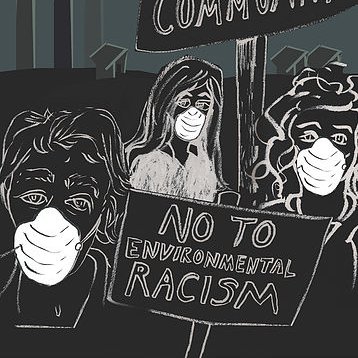
Unfortunately, race and socioeconomic status are the two biggest factors that impact environmental racism. Some may wonder, “how does that come into play with the environment?” It definitely does. Deborah M. Robinson, author of “Environmental Racism: Old Wine in a New Bottle,” points out many relevant, yet devastating, facts about environmental racism.
Robinson states that in the United States, the victims of environmental racism include: African Americans, Latinos, Native Americans, Asians, and Pacific Islanders, who are more likely than whites to live in environmentally hazardous conditions (Robinson, 2000). “Three out of five African Americans live in communities with uncontrolled toxic waste sites. Native American lands and sacred places are home to extensive mining operations and radioactive waste sites. Three of the five largest commercial hazardous waste landfills are located in pre-dominantly African American and Latino communities” (Robinson, pg. 2, 2000). As a result, the residents of these communities suffer shorter life span, higher infant mortality, poor health, poverty, diminished economic opportunities, substandard housing, and degraded quality of life (Robinson, 2000).
Robinson also included some examples of environmental racism in the United States, with farm workers being targeted. In New Mexico, farm workers work on crops that are treated with toxic pesticides. Exposure to pesticides can result in death, birth defects, cancer, nerve disorders, skin diseases and other problems (Robinson, 2000). However, the federal government has failed to protect these farm workers. Now you may wonder, why? The government does not care to protect these farm workers because of their origin. In South Dakota, Native American reservations have become prime targets of waste disposal firms (Robinson, 2000). Since 1992, the leaders of these reservations have been approached by these firms. Many waste-disposal companies have attempted to avoid state regulations by targeting these lands (Robinson, 2000). Because Native Americans are quasi-independent, they are not covered by state environmental regulations. In my opinion, this is very unfair. These people must fight for their own land, since it seems that no one else will.
With the evidence provided, it is evident that race and socioeconomic status are definitely key factors when companies need to make decisions as to which community they would like to have the most waste sites, landfills, etc.
 Environmental Justice for All