Environmental Racism

What is Environmental Racism? Who are affected the most?
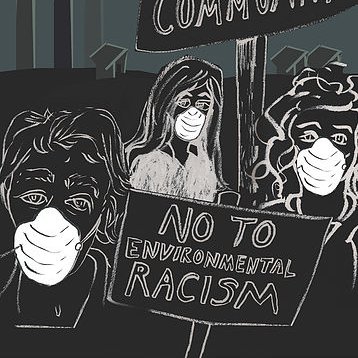
Unfortunately, race and socioeconomic status are the two biggest factors that impact environmental racism. Some may wonder, “how does that come into play with the environment?” It definitely does. Deborah M. Robinson, author of “Environmental Racism: Old Wine in a New Bottle,” points out many relevant, yet devastating, facts about environmental racism.

Robinson states that in the United States, the victims of environmental racism include: African Americans, Latinos, Native Americans, Asians, and Pacific Islanders, who are more likely than whites to live in environmentally hazardous conditions (Robinson, 2000). “Three out of five African Americans live in communities with uncontrolled toxic waste sites. Native American lands and sacred places are home to extensive mining operations and radioactive waste sites. Three of the five largest commercial hazardous waste landfills are located in pre-dominantly African American and Latino communities” (Robinson, pg. 2, 2000). As a result, the residents of these communities suffer shorter life span, higher infant mortality, poor health, poverty, diminished economic opportunities, substandard housing, and degraded quality of life (Robinson, 2000).

Robinson also included some examples of environmental racism in the United States, with farm workers being targeted. In New Mexico, farm workers work on crops that are treated with toxic pesticides. Exposure to pesticides can result in death, birth defects, cancer, nerve disorders, skin diseases and other problems (Robinson, 2000). However, the federal government has failed to protect these farm workers. Now you may wonder, why? The government does not care to protect these farm workers because of their origin. In South Dakota, Native American reservations have become prime targets of waste disposal firms (Robinson, 2000). Since 1992, the leaders of these reservations have been approached by these firms. Many waste-disposal companies have attempted to avoid state regulations by targeting these lands (Robinson, 2000). Because Native Americans are quasi-independent, they are not covered by state environmental regulations. In my opinion, this is very unfair. These people must fight for their own land, since it seems that no one else will.

With the evidence provided, it is evident that race and socioeconomic status are definitely key factors when companies need to make decisions as to which community they would like to have the most waste sites, landfills, etc.

Justice for Environmental Racism

Environmental racism for people of color

Environmental racism is a concept used to explain a failure to act by any government, institutional, or industry action. These actions affect, intentionally or unintentionally, Certain individuals, groups, or communities based on race or colour (week two notes). These environmental injustice occur around the United States and truly all around the world. Sad part, is that most of the individuals affected by environmental issues are people of color, says The Institute of Medicine. Furthermore, they have concluded, minority communities are two times more likely to fall ill to deadly sickness. This is due to the exposure to toxic chemicals produced by hazardous waste. The amount of environmental racism that Latinos have endured because of their economic status is extremely dejecting. It seems that if you don’t make enough money or don’t have the “preferred” color of skin, a hazardous waste facility might be a perfect location in your community. Big corporations use the “we create jobs for the poor” as an excuse to install their factories. However, they don’t fully explain the outcome that these toxic chemicals will have on the people living and working around these toxic monsters.

  • What else is an injustice in certain communities?

Another example that I have close to home is the city of industries in Los Angeles. There are a ton of companies that pollute tons and tons of toxins into the air daily around schools and peoples homes and it’s not seen as an issue because of the location. The city of industry seems to be known as a lower income, Latino communities. In the article Old Bottle New Wine, It states other examples of Environmental racism one being how larger corporations tend to take advantage of poor nations and they sell labor rights to the highest bidder.

The U.S – Mexican Border is an example being how they have people working double shifts not knowing the risks they put themselves through. But again, money makes the world go round. It will make a low income individual do the job.

After a plethora of incidents that these hazards chemicals caused, the people finally caught up to it. The communities that are being affected are bringing awareness to the health department. Because of this type of movement, the health department has requested change on hazardous waste policies. It’s a slow process, but change over time will occur.

Robinson, Deborah. “Environmental Racism: Old Wine in a New Bottle.” Women in Action 1-2 (2000): 75. Web.

http:// https://scopela.org/between-the-110-and-the-405-environmental-injustice-in-south-los-angeles/

http://greenaction.org/what-is-environmental-justice/

https://nccj.org/environmental-justice

https://www.bloomberg.com/opinion/articles/2018-07-23/the-poor-don-t-deserve-toxic-waste-dumps-for-neighbors

https://images.app.goo.gl/mJXyqJ4VwXF7DS8GA

https://images.app.goo.gl/ZAwqwjygm9W8ka2T7

https://images.app.goo.gl/fBKbQj8TkPJtdzX79